
AI crawlers are now visiting websites more frequently than ever before. In 2026, the average website receives visits from at least 10 different AI crawlers every week. These bots come from OpenAI, Google, Anthropic, Meta, Amazon, Perplexity, and many other companies building AI products. But what does all this AI crawling actually mean for your website's SEO performance?
This is a question that website owners, SEO professionals, and content creators ask frequently. The answer is more complex than a simple "good" or "bad." AI crawlers affect your website in multiple ways, and understanding these impacts is essential for making smart decisions about your AI crawl access strategy.
Before diving into the analysis, check your current AI crawler status. Use the AI crawler checker free tool to see exactly which AI bots can access your website right now.
What's the best way to see if AI crawlers can access my site?
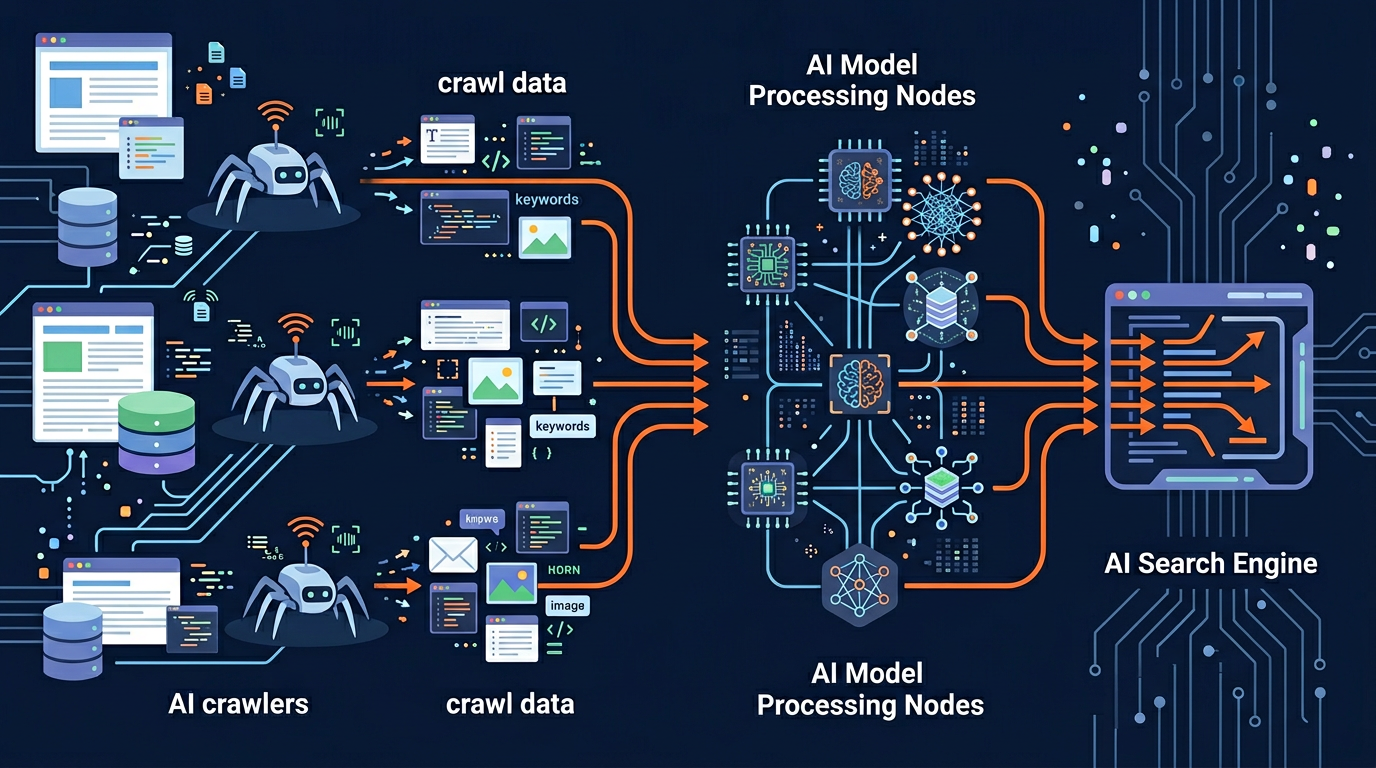
The best way is a checker that requests your pages as each AI crawler, because a page that loads in your browser can still be blocked for a bot by robots.txt, a status code or a firewall challenge. Start with the free AI crawler checker for the whole site.
How do I know if AI crawlers can access my website?
You know whether AI crawlers can access your website by testing each one against robots.txt, the HTTP status it receives, and any firewall challenge. The homepage checker tests every major bot at once. If something is blocked, the why AI bots cannot crawl your site guide lists the usual causes, and AI crawler rate limiting covers bots that are reachable but throttled.
Understanding the AI Crawler Landscape in 2026
To understand how AI crawlers impact SEO, you first need to understand the two main types of AI crawlers and what they do:
Type 1: AI Search Crawlers
These crawlers fetch your content to display it in AI-powered search results. They provide direct traffic and visibility benefits.
ChatGPT-User / OAI-SearchBot: Fetches content for ChatGPT search results. Citations link back to your site.
PerplexityBot: Powers Perplexity AI search. Always includes source citations with direct links.
Google-Extended (for AI Overviews): Feeds content into Google's AI-generated search summaries.
Applebot-Extended: Powers Apple Intelligence features across iOS and macOS devices.
Type 2: AI Training Crawlers
These crawlers collect data to train AI models. They do not provide direct traffic or citation benefits.
GPTBot: Collects training data for OpenAI's GPT models.
CCBot: Powers the Common Crawl dataset used by many AI companies.
ByteSpider: Collects data for TikTok's parent company ByteDance.
Meta-ExternalAgent: Gathers training data for Meta's Llama AI models.
ClaudeBot: Collects data for Anthropic's Claude AI training.
Direct SEO Impact: Do AI Crawlers Affect Google Rankings?
Let us address the most common concern first: AI crawlers do not directly affect your Google search rankings. Google uses its own crawler, Googlebot, to index and rank websites. Whether you block or allow GPTBot, ClaudeBot, or any other AI crawler has zero direct impact on how Google ranks your pages.
This is an important distinction because many website owners worry that blocking AI crawlers will hurt their Google rankings. It will not. Google has explicitly confirmed that blocking third-party AI crawlers does not affect your position in Google Search results.
However, there are indirect effects that matter. Here is how AI crawlers can indirectly influence your overall search performance:
Server Performance Impact
Heavy AI crawler traffic can slow down your server. If your server response time increases, your Core Web Vitals scores drop. Google uses Core Web Vitals as a ranking factor, so excessive AI bot traffic can indirectly hurt your Google rankings by degrading page speed.
Bandwidth and Hosting Costs
AI crawlers can consume significant bandwidth. For sites on shared hosting or metered plans, this means higher costs. Some websites report that AI crawlers account for 30-40% of their total traffic, which translates to real financial impact on hosting bills.
Analytics Data Distortion
Some AI crawlers execute JavaScript, which means they can show up in Google Analytics as real visits. This distorts your traffic data, bounce rates, and conversion metrics, making it harder to make data-driven SEO decisions.
AI Search Visibility: The New SEO Frontier
While traditional Google SEO remains important, there is a new dimension to consider: AI search visibility. In 2026, millions of users get answers from ChatGPT, Perplexity, Claude, Google AI Overviews, and Apple Intelligence. If your content is not accessible to AI search crawlers, you are invisible to this growing audience.
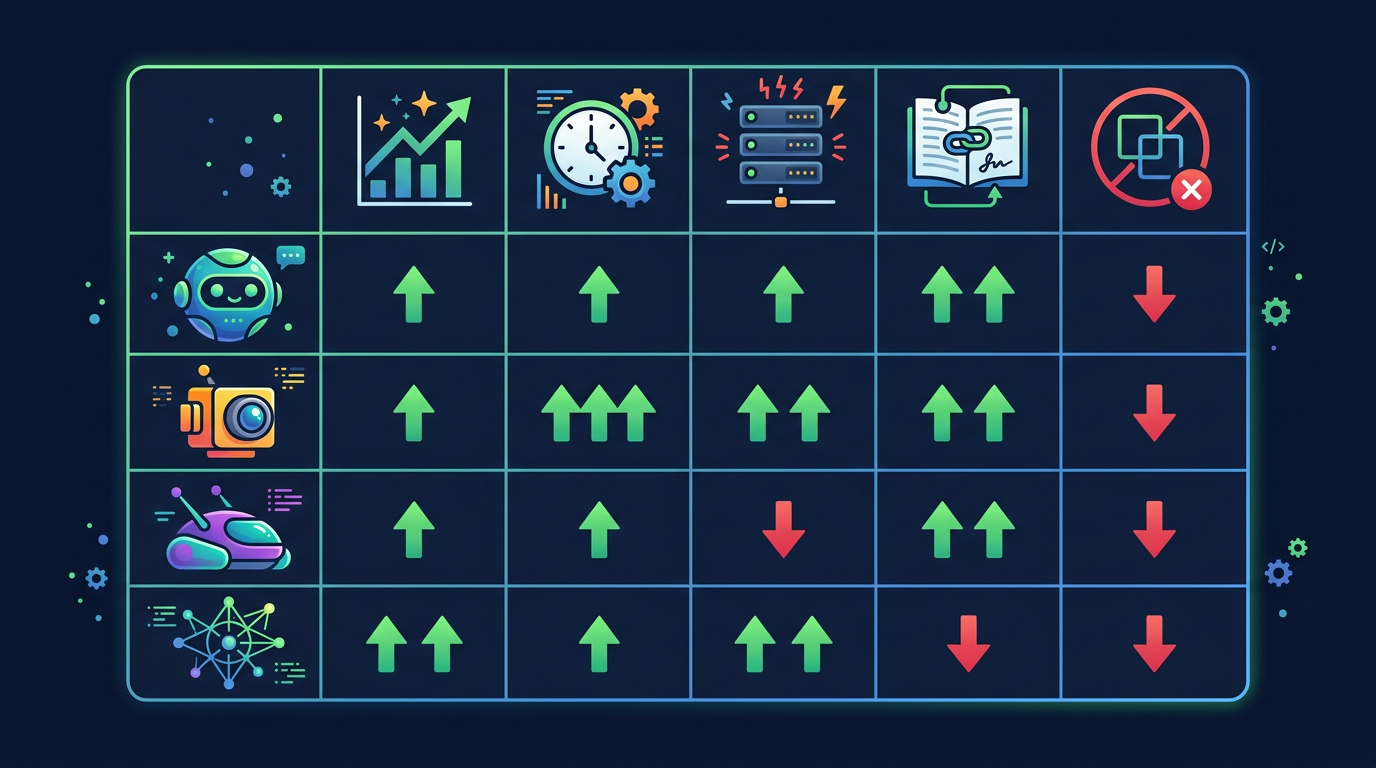
Here is the data that shows why AI search visibility matters:
AI Search Traffic Growth (2024-2026)
When AI search engines cite your content, they typically include a direct link back to your website. This creates a new source of referral traffic that did not exist just two years ago. Websites that optimize for AI search visibility are already seeing measurable increases in referral traffic from AI platforms.
Check your current AI search visibility with the AI crawler checker online tool. It scans your robots.txt file and tells you exactly which AI crawlers can and cannot access your content.
Crawler-by-Crawler SEO Impact Analysis
Not all AI crawlers have the same impact on your SEO. Here is a detailed breakdown of how each major AI crawler affects your website:
| Crawler | Company | SEO Benefit | Server Load | Recommendation |
|---|---|---|---|---|
| ChatGPT-User | OpenAI | High | Low | Allow |
| PerplexityBot | Perplexity | High | Low | Allow |
| Google-Extended | High | Low | Allow | |
| Applebot-Extended | Apple | Medium | Low | Allow |
| GPTBot | OpenAI | Low | Medium | Consider |
| ClaudeBot | Anthropic | Low | Medium | Consider |
| CCBot | Common Crawl | Low | Medium | Consider |
| ByteSpider | ByteDance | None | Very High | Block |
| Meta-ExternalAgent | Meta | Low | Medium | Consider |
Measuring the Real Server Performance Impact
One of the most concrete ways AI crawlers affect your website is through server resource consumption. Here is what the data shows about typical AI crawler impact on web servers:
Server Impact Metrics (Average Website)
These numbers vary significantly based on your website size, content volume, and server capacity. A small blog with 50 pages will experience minimal impact, while a large e-commerce site with thousands of product pages may see substantial resource consumption.
The key metric to watch is your server response time. If your average response time increases above 500ms during peak AI crawling hours, you should implement rate limiting for AI crawlers. Check your server's current status by running a scan with the AI crawlers analysis tool on our homepage.
The Optimal AI Crawler Strategy for SEO
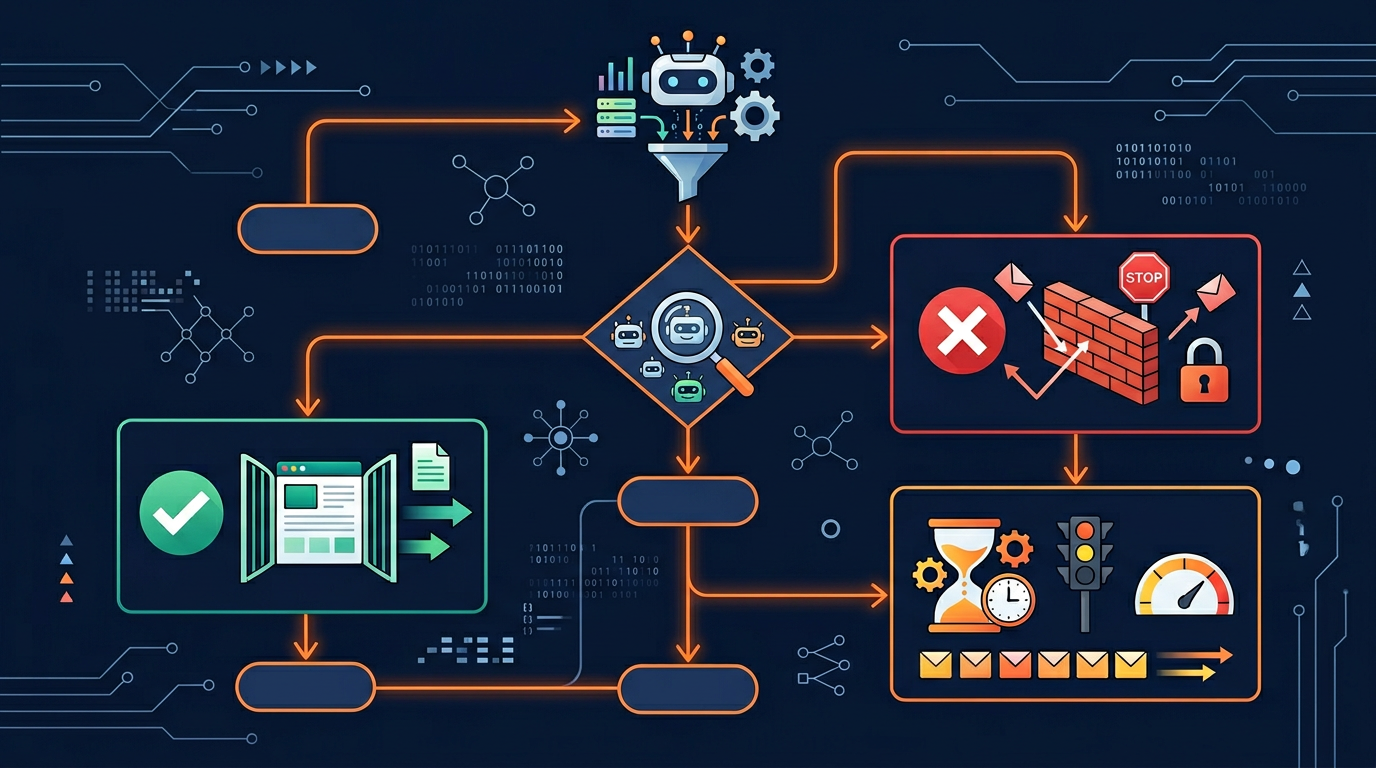
Based on our analysis of thousands of websites, here is the optimal strategy for managing AI crawlers to maximize both traditional SEO and AI search visibility:
Step 1: Allow All AI Search Crawlers
Always allow ChatGPT-User, OAI-SearchBot, PerplexityBot, Google-Extended, and Applebot-Extended. These crawlers drive referral traffic through citations and improve your AI search visibility.
Step 2: Evaluate Training Crawlers
For GPTBot, ClaudeBot, and CCBot, consider your content type and business goals. If you want your expertise reflected in AI models, allow them. If content protection is priority, block them. A middle ground is allowing access only to your blog and public pages while blocking premium content.
Step 3: Block Aggressive Crawlers
Block ByteSpider and any other crawlers that do not respect rate limits or provide no clear benefit. These bots consume resources without contributing to your visibility or brand presence.
Step 4: Implement Rate Limiting
Add crawl-delay directives for bots that support them. This protects your server performance while still allowing access. A crawl-delay of 10 seconds is a good starting point for most websites.
Step 5: Monitor and Adjust
Regularly check your server logs, track AI referral traffic, and adjust your strategy based on data. What works today may need updating as AI search evolves. Use a web crawler tool free to check your status periodically.
Content Quality and AI Citation Potential
One of the most important factors in AI SEO is content quality. AI search engines are more selective about which sources they cite than traditional search engines. Here is what makes content more likely to be cited by AI engines:
Original research and data: AI engines prefer citing primary sources with original statistics, studies, and data points over content that simply restates information from other sources.
Expert authorship: Content with clear author attribution and demonstrated expertise (E-E-A-T signals) is more likely to be cited. AI engines evaluate author credibility.
Structured content: Well-organized content with clear headings, lists, tables, and structured data markup is easier for AI engines to parse and cite accurately.
Factual accuracy: AI engines cross-reference information across multiple sources. Content with verifiable, accurate facts is more likely to be selected for citations.
Freshness: Regularly updated content signals relevance. AI engines prefer citing recent content for topics that change over time.
Robots.txt Configuration for Optimal SEO
Your robots.txt file is the primary control mechanism for AI crawler access. Here is the configuration we recommend for most websites that want to maximize both traditional SEO and AI search visibility:
This configuration provides the best balance between AI visibility, content protection, and server performance. Adjust based on your specific needs and server capacity.
Use the Robots.txt Generator to create a customized configuration for your website, or run an AI crawler checker free scan to check your current setup.
How to Measure AI SEO Results
To understand the real impact of AI crawlers on your SEO, you need to track specific metrics:
Key Metrics to Track
AI Referral Traffic
Track referral traffic from chat.openai.com, perplexity.ai, and other AI platforms in Google Analytics. This shows direct traffic benefit from AI search visibility.
Server Response Time
Monitor your average server response time. If it increases after allowing AI crawlers, you may need to implement rate limiting or upgrade your hosting.
Bot Traffic Volume
Check server logs for AI bot user agents. Track the percentage of total traffic coming from AI crawlers and how it changes over time.
Core Web Vitals
Monitor your Core Web Vitals in Google Search Console. If AI crawling degrades these scores, take action to protect your Google rankings.
Real-World Case Studies
Here are two common scenarios that illustrate how AI crawlers impact real websites:
Scenario 1: E-Commerce Site (500+ Product Pages)
An e-commerce site with 500 product pages allowed all AI crawlers without restrictions. Within two weeks, ByteSpider was making 3,000+ requests per day. Server response time increased from 200ms to 800ms. Their Google Core Web Vitals scores dropped from "Good" to "Needs Improvement."
Solution: They blocked ByteSpider, added crawl-delay of 10 seconds for training crawlers, and kept search crawlers unrestricted. Server response time returned to 250ms within 48 hours. They also started receiving referral traffic from ChatGPT search (about 200 visits per month).
Scenario 2: News/Blog Site (1,000+ Articles)
A content publisher blocked all AI crawlers for content protection reasons. Six months later, they noticed their competitors were being cited in ChatGPT and Perplexity search results while they were completely absent. They were missing out on an estimated 5,000+ monthly referral visits.
Solution: They selectively unblocked AI search crawlers (ChatGPT-User, PerplexityBot, Google-Extended) while keeping training crawlers blocked. Within 3 months, they saw 3,500 new monthly referral visits from AI search platforms.
Key Takeaways
AI crawlers do not directly affect Google rankings. Blocking them will not help your Google SEO, and allowing them will not hurt it. The direct ranking impact is zero.
Server performance is the real risk. Heavy AI crawling can slow your site, which indirectly hurts Google rankings through Core Web Vitals. Monitor and manage this proactively.
AI search visibility is the real opportunity. Allowing AI search crawlers opens a new traffic channel. ChatGPT, Perplexity, and AI Overviews are sending increasing amounts of referral traffic.
Use a selective approach. The best strategy is not all-or-nothing. Allow search crawlers, evaluate training crawlers based on your goals, and block aggressive bots.
Quality content matters most. Regardless of crawler access, the best SEO strategy is creating original, expert, well-structured content that both Google and AI engines want to cite.
Start by understanding your current AI crawler access status. Use the AI crawler checker online to scan your website and get a comprehensive report on which AI bots can access your content. Then use the Robots.txt Generator to create an optimized configuration based on your specific needs.