
Behind almost every major AI language model is a massive dataset of web content. And behind that dataset is a single web crawler: CCBot. Operated by the Common Crawl Foundation, CCBot has been quietly crawling the web for over a decade, building one of the largest open datasets of web content in existence. This dataset has been used to train ChatGPT, Claude, LLaMA, and dozens of other AI models. If you run a website, there is a good chance your content is already in the Common Crawl dataset.
In this guide, we will explain exactly what CCBot is, how Common Crawl works, how your content flows from your website into AI training data, and what you can do about it. Whether you want to block CCBot or allow it, understanding this crawler is important for making informed decisions about your AI strategy.
Before we dive in, check your current CCBot access status. Use AI Crawler Check to scan your robots.txt and see if CCBot can currently reach your website content.

What is Common Crawl?
Common Crawl is a nonprofit organization founded in 2007. Its mission is to build and maintain an open repository of web crawl data that anyone can access and analyze. The organization runs monthly crawls of the web, collecting billions of pages each time and storing them in a publicly available dataset.
The Common Crawl dataset is enormous. As of 2026, it contains over 250 billion web pages collected over more than 15 years. The raw data is stored on Amazon Web Services (AWS) and is available for free download. Anyone, from individual researchers to major corporations, can access and use this data.
Common Crawl was originally designed for academic research and data science. But the rise of AI language models changed everything. AI companies discovered that Common Crawl's massive web dataset was perfect for training their models. The dataset provides the vast amount of diverse text data that language models need to learn patterns, facts, and language usage.
Here is how Common Crawl data has been used by major AI companies:
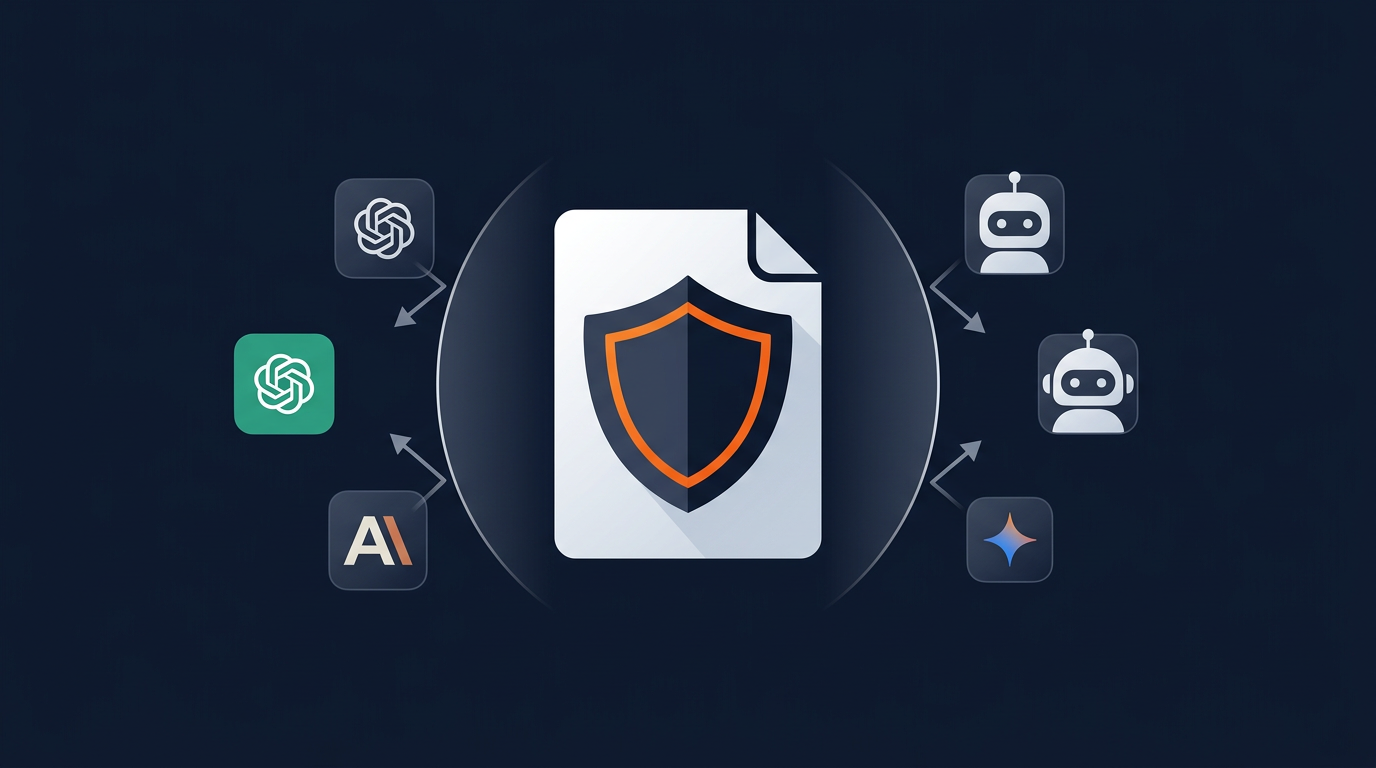
OpenAI (GPT models): Common Crawl data forms a significant portion of the training data for GPT-3, GPT-4, and later models. GPTBot collects additional data, but Common Crawl provided the foundation.
Anthropic (Claude models): Anthropic used Common Crawl data in training its Claude models. ClaudeBot now collects its own data, but earlier models relied heavily on Common Crawl.
Meta (LLaMA models): Meta's LLaMA series was trained primarily on Common Crawl data combined with other public datasets.
Google (Gemini/BERT): Google has used Common Crawl data for various research projects and model training, alongside data from its own web index.
Hundreds of other projects: Open-source AI models, academic research, and smaller AI companies all use Common Crawl as a primary data source.
This widespread use means that if your website content was crawled by CCBot at any point in the last 15 years, it may be part of the training data for multiple AI models. The data flows from your website to the Common Crawl dataset to AI training pipelines worldwide.
What is CCBot and How Does It Work?
CCBot is the web crawler (also called a spider or bot) that Common Crawl uses to collect web content. It identifies itself with the user agent string CCBot/2.0 (or similar versions). When CCBot visits your website, it downloads your web pages, extracts the text content and metadata, and stores everything in the Common Crawl dataset.
Here is how the CCBot crawling process works step by step:
URL selection. CCBot starts with a seed list of URLs and discovers new URLs by following links on pages it has already crawled. Over time, it builds a comprehensive map of the web.
Robots.txt check. Before crawling a website, CCBot checks the robots.txt file for rules about what it can and cannot access. It generally respects these rules, which is one area where it differs from more aggressive scrapers like ByteSpider.
Page download. CCBot downloads each page, including the HTML content, headers, and metadata. It processes the page to extract text, links, images, and structured data.
Data storage. The crawled data is stored in WARC (Web ARChive) format on Amazon S3. Each monthly crawl produces roughly 200 to 300 terabytes of compressed data.
Public access. The stored data is made available for public download. Anyone can access the dataset through the Common Crawl website and AWS Open Data program.
CCBot crawls at a significant volume, but it is generally more well-behaved than aggressive commercial scrapers. It follows robots.txt rules, identifies itself honestly, and does not try to disguise its identity. However, its crawl volume is still substantial, and the fact that crawled data becomes publicly available makes it a unique concern for website owners who care about data control.
The key difference between CCBot and AI search crawlers like GPTBot or PerplexityBot is the purpose. AI search crawlers collect data to provide answers that link back to your website, potentially driving traffic. CCBot collects data for an open dataset that is used primarily for AI training, with no traffic benefit to your website.

How Your Content Goes From Website to AI Model
Understanding the full journey of your content helps you make informed decisions about CCBot access. Here is the complete path from your website to an AI model's training data:
Step 1: CCBot crawls your website. CCBot visits your pages and downloads the content. This happens during one of Common Crawl's monthly crawl cycles. Your website might be crawled multiple times across different monthly datasets.
Step 2: Content is stored in the Common Crawl dataset. Your page content is stored in WARC format as part of the monthly crawl archive. This archive is uploaded to AWS S3 and made publicly accessible.
Step 3: AI companies download the dataset. Companies like OpenAI, Anthropic, and Meta (along with hundreds of others) download the Common Crawl dataset as a starting point for AI training data.
Step 4: Data is filtered and processed. AI companies do not use the raw Common Crawl data directly. They filter it to remove low-quality content, duplicates, harmful material, and irrelevant pages. Your content may or may not survive this filtering process.
Step 5: AI model training. The filtered data is used to train AI language models. The model learns patterns, facts, and language from millions of documents, including potentially your content.
Step 6: AI generates responses. When users ask the AI a question, it draws on everything it learned during training, which may include information from your website. However, the AI typically does not know or remember the specific source of any given fact.
Should You Block CCBot? Pros and Cons
The decision to block or allow CCBot depends on your values, goals, and business model. Here is a balanced look at both sides:
Reasons to Block CCBot
Protect original content. If you invest significant resources in creating unique content, you may not want it freely available in an open dataset that anyone can use for any purpose.
Prevent unauthorized AI training. Blocking CCBot prevents your future content from being included in new training datasets. While older content may already be in existing datasets, blocking stops new content from being added.
Reduce server load. CCBot crawls at significant volume. Blocking it reduces your server load and bandwidth usage.
No traffic benefit. Unlike AI search crawlers, CCBot does not drive any traffic to your website. The data it collects only feeds training datasets.
Reasons to Allow CCBot
Support open data. If you believe in the open web and open data principles, allowing CCBot aligns with that philosophy. Common Crawl serves important research purposes beyond AI training.
Indirect AI visibility. When your content is part of AI training data, AI models learn about your brand and expertise. This can lead to indirect mentions and recommendations in AI responses, even if there is no direct citation.
Data already collected. If CCBot has been crawling your site for years, blocking it now only prevents future collection. Content already in the dataset cannot be removed.
For most website owners, we recommend a balanced approach: block CCBot and other training-focused crawlers while allowing AI search crawlers that drive traffic. This protects your content from training use while maintaining AI search visibility. Check your current setup with our free AI bot check.
How to Block CCBot in Robots.txt
Blocking CCBot is straightforward. Add these lines to your robots.txt file:
# Block Common Crawl
User-agent: CCBot
Disallow: /
If you want to take a more selective approach, you can block CCBot from specific sections while allowing access to others:
# Block CCBot from premium content only
User-agent: CCBot
Disallow: /premium/
Disallow: /members/
Disallow: /courses/
Allow: /blog/
Allow: /resources/
This approach allows CCBot to crawl your public blog and resources while protecting premium or paid content from being added to the Common Crawl dataset. Use the Robots.txt Generator to create a configuration that matches your specific needs.
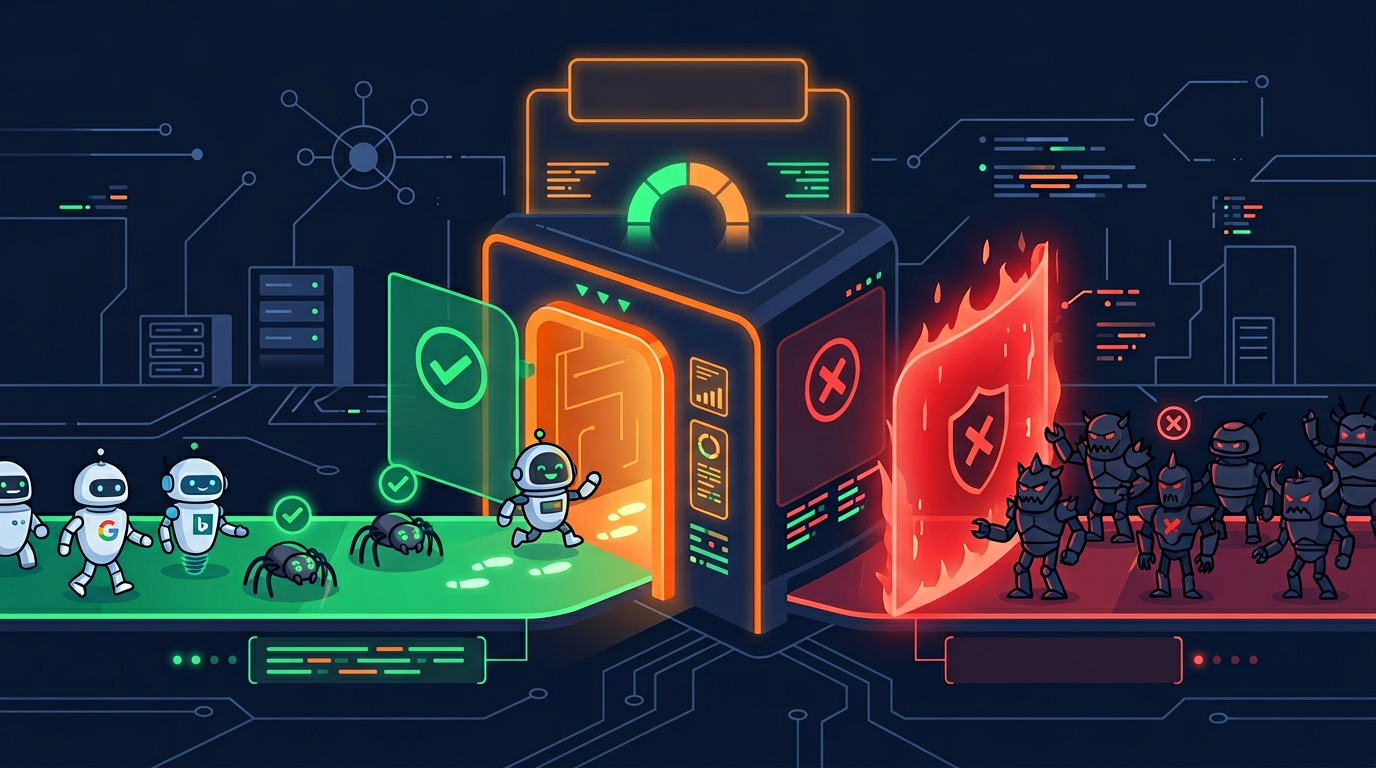
Remember that blocking CCBot does not affect your search engine visibility. Google, Bing, and other search engines use their own crawlers (Googlebot, Bingbot) that are completely independent of CCBot. Read our robots.txt best practices guide for more details on configuring rules for different crawlers.
Also consider your strategy for other training-focused crawlers alongside CCBot. ByteSpider and Diffbot are other crawlers that collect content primarily for AI training. You may want to block all three together for consistent content protection.
The Legal Landscape Around Web Scraping and AI Training
The legal questions around web scraping for AI training are among the most debated topics in technology law right now. Here is what you need to know as a website owner.
Copyright protections apply. The content on your website is protected by copyright the moment you create it. Using copyrighted content to train AI models without permission is a legal gray area that multiple lawsuits are testing. The New York Times, Getty Images, and many individual creators have filed suits against AI companies for using their content without permission.
Fair use arguments are being tested. AI companies generally argue that training on web content qualifies as "fair use" under copyright law because the training is transformative. Content creators argue that mass copying and commercial use goes beyond fair use. Courts in several countries are actively deciding these cases, and the outcomes will shape the future of AI training data practices.
Robots.txt has limited legal force. While robots.txt is the standard way to communicate crawling preferences, it is not legally binding in most jurisdictions. However, ignoring robots.txt rules may be considered evidence of bad faith in legal proceedings. Some recent legislation in the EU and proposed bills in the US would give robots.txt stronger legal standing.
New regulations are coming. The EU AI Act, proposed US legislation, and regulations in other countries are beginning to address AI training data practices. These new rules may require AI companies to be more transparent about their training data and provide better opt-out mechanisms for content creators.
Regardless of the legal uncertainty, taking proactive steps to control AI crawler access to your website is the best current approach. Use robots.txt, server-level blocks, and monitoring tools like AI Crawler Check to maintain control over how your content is used.
Common Crawl by the Numbers
To understand the scale of Common Crawl and why it matters, consider these statistics:
| Metric | Value |
|---|---|
| Total pages crawled (all time) | 250+ billion |
| Pages per monthly crawl | 3 to 5 billion |
| Data size per monthly crawl | 200 to 300 TB compressed |
| Total dataset size (all archives) | Petabytes (PB) |
| Unique domains crawled | Millions per crawl cycle |
| Years of operation | Since 2007 (18+ years) |
| AI models trained using data | Hundreds (GPT, Claude, LLaMA, etc.) |
| Cost to access dataset | Free (hosted on AWS Open Data) |
These numbers illustrate why Common Crawl is so important in the AI ecosystem. It is by far the largest freely available web content dataset, and its size and comprehensiveness make it the default starting point for almost every AI training project. The fact that it is free to access and download means that even small AI companies and research groups can use it.
The scale also means that if your website has been online for any significant period of time, it has almost certainly been crawled by CCBot and included in at least some of the monthly archives. Even if you block CCBot today, your historical content from previous crawls remains in the dataset permanently. This is why some content creators feel frustrated: once the data is in Common Crawl, there is no way to remove it from the existing archives.
However, blocking CCBot still has value because it prevents your new and updated content from being added to future crawls. Given that AI companies regularly download the latest Common Crawl data for model retraining and updates, blocking CCBot ensures that your most current content is not included in future AI training datasets. This gives you more control over your content going forward, even if you cannot change the past.
CCBot vs Other AI Crawlers: Key Differences
It is important to understand how CCBot differs from other AI crawlers so you can make informed decisions about which ones to allow and which to block.
CCBot vs GPTBot. GPTBot is operated by OpenAI and collects data both for AI training and for powering ChatGPT search features. When you allow GPTBot, your content may appear in ChatGPT search results with citations that link back to your site. CCBot, on the other hand, only feeds the Common Crawl dataset with no direct traffic benefit to you.
CCBot vs ClaudeBot. ClaudeBot is operated by Anthropic and powers Claude's search capabilities. Like GPTBot, allowing ClaudeBot gives you the possibility of appearing in Claude's AI search results. CCBot offers no such search visibility in return for access to your content.
CCBot vs ByteSpider. Both CCBot and ByteSpider collect data primarily for AI training. The key difference is that CCBot makes its data publicly available through the Common Crawl dataset, while ByteSpider feeds data directly to ByteDance's private AI products. CCBot also tends to be more respectful of robots.txt rules, while ByteSpider has a reputation for more aggressive behavior.
This comparison highlights why a selective strategy is the smartest approach. Block crawlers that only take (CCBot, ByteSpider, Diffbot) and allow crawlers that give back through search visibility (GPTBot, ClaudeBot, PerplexityBot, Google-Extended). This maximizes your content protection while maintaining your AI Visibility Score and search presence.
Recommended CCBot Strategy for 2026
Based on everything covered in this guide, here is our recommended approach for handling CCBot and Common Crawl in 2026:
Scan your website first. Use AI Crawler Check to see if CCBot and other training crawlers currently have access to your site. Know your starting point before making changes.
Block training-focused crawlers. Add robots.txt rules to block CCBot, ByteSpider, Diffbot, and other crawlers that only collect data for AI training without driving traffic to your site.
Allow AI search crawlers. Keep access open for GPTBot, ClaudeBot, PerplexityBot, and Google-Extended. These crawlers power AI search results that can drive traffic to your site.
Create an llms.txt file. Add an llms.txt file to help AI search systems understand your site better. This boosts your AI Visibility Score and improves your chances of being cited in AI search results.
Monitor regularly. Check your AI crawler access monthly using AI Crawler Check. The AI crawler landscape changes frequently, and new bots appear regularly.
Here is a summary of what we covered in this guide:
CCBot is the web crawler behind Common Crawl, the largest open web dataset
Common Crawl data trains ChatGPT, Claude, LLaMA, and many other AI models
Your content flows from your site to CCBot to the dataset to AI training pipelines
Blocking CCBot is simple via robots.txt and does not affect search engine rankings
We recommend blocking training crawlers while allowing AI search crawlers
Use AI Crawler Check to monitor your CCBot access status regularly
Check Your CCBot Access Status
Scan your website to see if CCBot and other training crawlers can access your content.