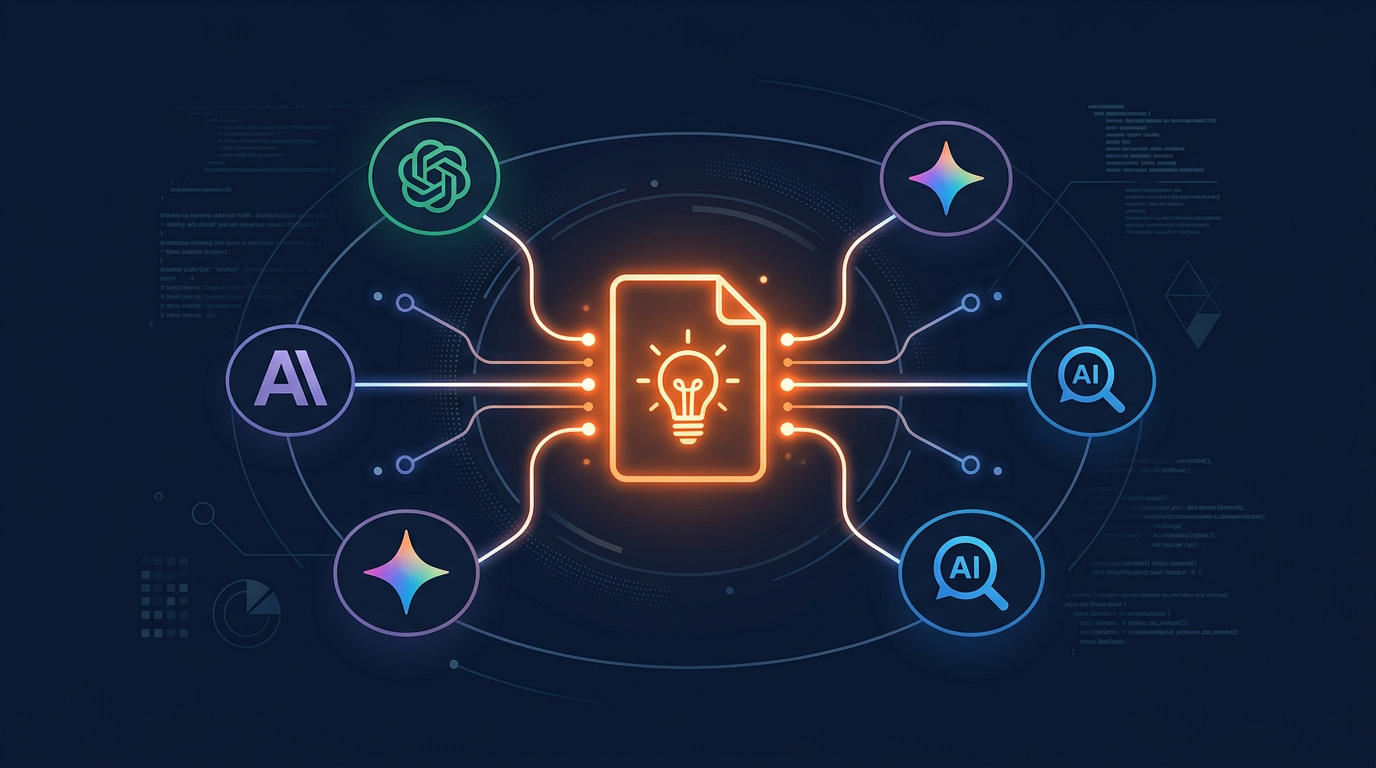

Just as your Domain Authority measures how strong your website is in traditional search, your AI Visibility Score measures how easy it is for AI systems to find and use your content. In 2026, AI search traffic is growing more than 400% year over year. If AI tools like ChatGPT, Claude, Gemini, and Perplexity cannot see your website, you are missing out on one of the fastest-growing traffic sources on the internet.
This guide explains everything you need to know about the AI Visibility Score. We will cover what it is, how it is calculated, why it matters, and exactly how to improve yours. By the end, you will have a clear action plan to make your website AI-ready.
The AI Visibility Score was developed by Horatos.ai as part of the AI Crawler Check tool. It is free to use and gives you an instant snapshot of your website's AI readiness.
Get your AI Visibility Score instantly at aicrawlercheck.com. Free, no sign-up needed. Just enter your website URL and see your score in seconds.
What is the AI Visibility Score?
The AI Visibility Score is a number from 0 to 100 that shows how well your website is set up for AI crawler access. Think of it like a health check for your website's AI readiness. A high score means AI systems can easily find, read, and use your content. A low score means your website is mostly invisible to AI tools.
The score looks at three areas:
Bot Access
This part checks whether the most important AI bots can reach your website. It looks at your robots.txt file and checks if Tier 1 AI crawlers like GPTBot, ClaudeBot, Google-Extended, PerplexityBot, and ChatGPT-User can access your site. Each Tier 1 bot gets a weighted share of the 70 points. If a bot has only partial access (some paths blocked), it gets 75% credit for that bot.
AI Infrastructure
This part checks if you have set up special files that help AI systems understand your website. An llms.txt file gives you 20 points. An llms-full.txt file gives you 5 more points. These files tell AI systems what your site is about, which pages are most important, and what topics you cover. Less than 0.3% of websites have these files, so adding them gives you a big competitive advantage.
Technical Readiness
New in v6: checks the signals AI crawlers actually use for discovery. Your XML sitemap (6 pts), structured data markup on your homepage (6 pts), and HTTPS (3 pts).
Here is a simple way to think about it. The Bot Access part (70 points) answers the question: "Can AI crawlers reach my website?" The AI Infrastructure part (15 points) answers the question: "Do AI crawlers know what my website is about?" You need both for the best results.
Let us look at each part in more detail.
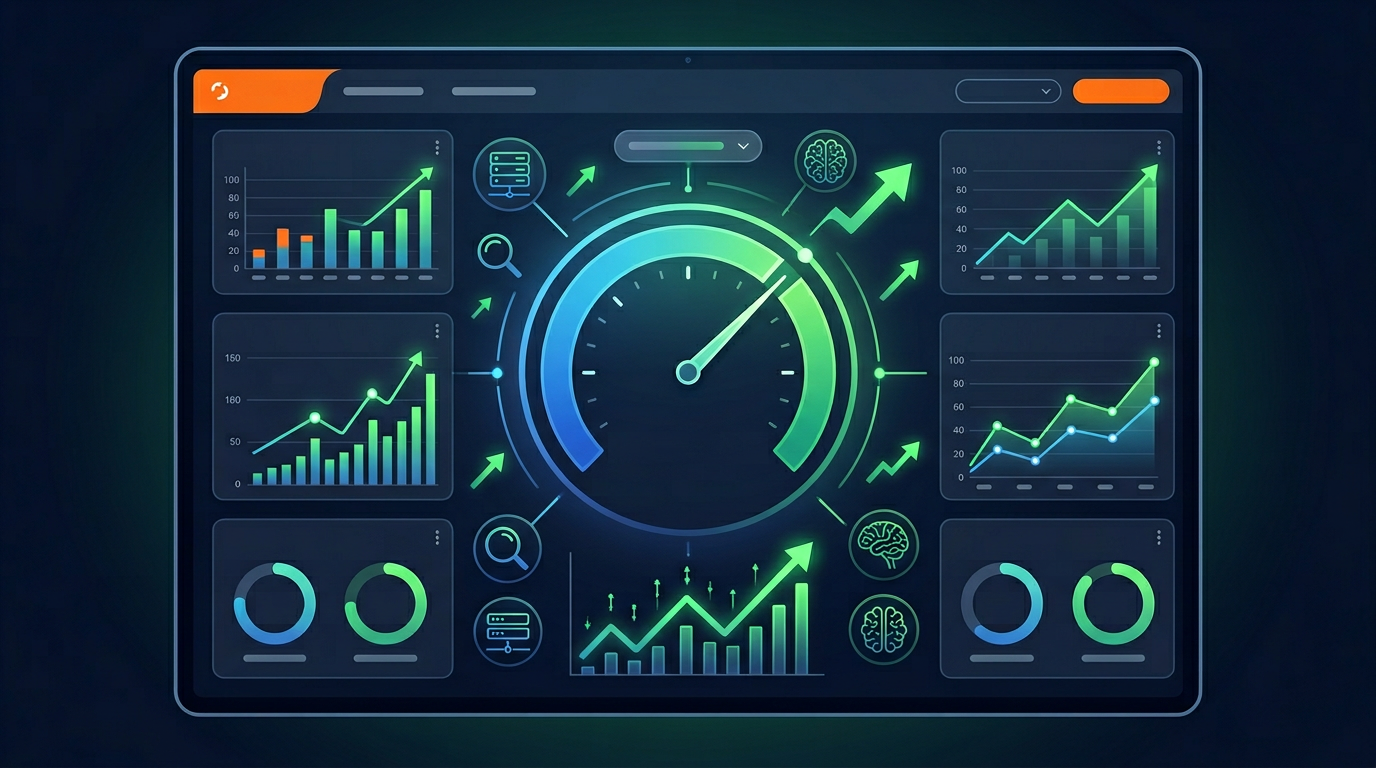
Part 1: Bot Access (70 Points)
The Bot Access part of the score checks whether the most important AI crawlers can reach your website through your robots.txt file. This is the biggest part of the score because it has the most direct impact on your AI visibility. If bots cannot reach your site, nothing else matters.
The score checks the following Tier 1 AI bots:
| Bot | Company | Type | Why It Matters |
|---|---|---|---|
| GPTBot | OpenAI | Training | Powers the most popular AI tool in the world (ChatGPT) |
| ChatGPT-User | OpenAI | Search | Shows your content in ChatGPT search answers |
| ClaudeBot | Anthropic | Training | Powers Claude, the second-largest AI assistant |
| Google-Extended | Training | Controls your visibility in Google AI Overviews and Gemini | |
| PerplexityBot | Perplexity | Both | Powers the fastest-growing AI search engine |
Each bot gets a weighted share of the 70 points, with Tier 1 AI answer engines counting most. Bots that ignore robots.txt by design and opt-out tokens are excluded, so you are never penalized for rules that change nothing. If all key bots can fully access your site, you get all 70 points. If a bot has partial access (some paths blocked, some allowed), it earns 75% of that bot's share rather than nothing.
Here is how different scenarios score:
All 5 Tier 1 bots allowed with full access
3 bots allowed, 1 partially blocked, 1 fully blocked
2 bots allowed, 3 fully blocked
All 5 bots blocked (AI-invisible)
The most common issue we see is websites that accidentally block AI crawlers. This happens when a robots.txt file has a broad User-agent: * rule with Disallow: / that blocks everything. Or when website owners added AI blocking rules years ago and forgot to update them.
To check your Bot Access score, enter your URL at AI Crawler Check. The tool shows you exactly which bots are blocked, allowed, or partially restricted. It also tells you which bots have the biggest impact on your score. For tips on setting up your robots.txt correctly, read our robots.txt best practices guide.
Part 2: AI Infrastructure (15 Points)
The AI Infrastructure part of the score checks whether you have set up files that help AI systems understand your website better. While robots.txt controls access (which bots can visit), AI infrastructure files provide context (what your site is about).
There are two files that make up this part of the score:
llms.txt
A plain text file at your website root that gives AI systems a short summary of your website. It lists your site name, a brief description, your most important pages, and the topics you cover. Think of it as a business card for AI systems. Learn how to create one in our llms.txt guide.
llms-full.txt
A longer version of llms.txt with detailed information about your website. It includes full descriptions of your pages, documentation, FAQs, and other content that helps AI systems deeply understand your site. While llms.txt is a summary, llms-full.txt is the full story.
As of March 2026, less than 0.3% of websites have adopted the llms.txt standard. This means that creating these files gives you a massive competitive advantage. When an AI system like ChatGPT or Perplexity encounters a website with llms.txt, it can understand the site much faster and more accurately. This can lead to better citations, more accurate mentions, and more AI search traffic.
Adding both files is worth a total of 15 points on your AI Visibility Score. Combined with full Bot Access (70 points) and Technical Readiness (15 points), you can reach a perfect score of 100. Follow our step-by-step llms.txt guide to set this up.

Score Grades: What Your Number Means
Your AI Visibility Score falls into one of four grades. Each grade tells you how AI-ready your website is and what you should do next.
Your website is well configured for AI systems. Most or all Tier 1 AI bots can access your content, and you have AI infrastructure files in place. You are getting the most AI search traffic possible. Keep monitoring for new bots and update your setup every quarter.
Your website is mostly accessible to AI systems, but there are some gaps. You may be missing an llms.txt file, or one or two important AI bots may be blocked. Fix these gaps to reach the excellent level. Check the detailed breakdown at AI Crawler Check to see exactly what needs to change.
Your website has significant AI visibility issues. Several important AI bots are probably blocked, and you likely do not have llms.txt files. You are missing a lot of AI search traffic. Start by updating your robots.txt and creating an llms.txt file.
Your website is mostly or completely invisible to AI systems. Most AI bots are blocked, and you have no AI infrastructure files. You are missing all AI search traffic. This needs immediate attention. Read our complete guide to AI crawler access and use the Robots.txt Generator to create a new setup.
Why the AI Visibility Score Matters in 2026
You might be wondering: "Why should I care about my AI Visibility Score? I already focus on Google SEO." Here is why the AI Visibility Score has become so important in 2026:
AI search is the fastest-growing traffic source.
ChatGPT, Perplexity, and Google AI Overviews now generate billions of answers every day. Each answer can include links to websites. This traffic is growing more than 400% year over year, and it is still in the early stages. Websites that are visible to AI systems are getting more and more visitors from this channel.
Most websites accidentally block AI bots.
Our data shows that more than 60% of websites have at least one important AI bot blocked in their robots.txt. Many of these blocks are accidental. The website owners do not know they are invisible to AI search. A quick scan at AI Crawler Check can reveal problems you did not know you had.
Early movers get a big advantage.
Less than 0.3% of websites have llms.txt files. Even fewer have optimized their robots.txt specifically for AI crawlers. If you set up your AI infrastructure now, you get a head start over most of your competitors. The websites that act early will build the strongest AI visibility before everyone else catches up.
AI visibility and traditional SEO work together.
Having a good AI Visibility Score does not mean you should stop doing traditional SEO. The two work together. A website with strong Google rankings AND high AI visibility gets traffic from both channels. This makes your total traffic more stable and diverse.
Quick Stats: AI Search in 2026
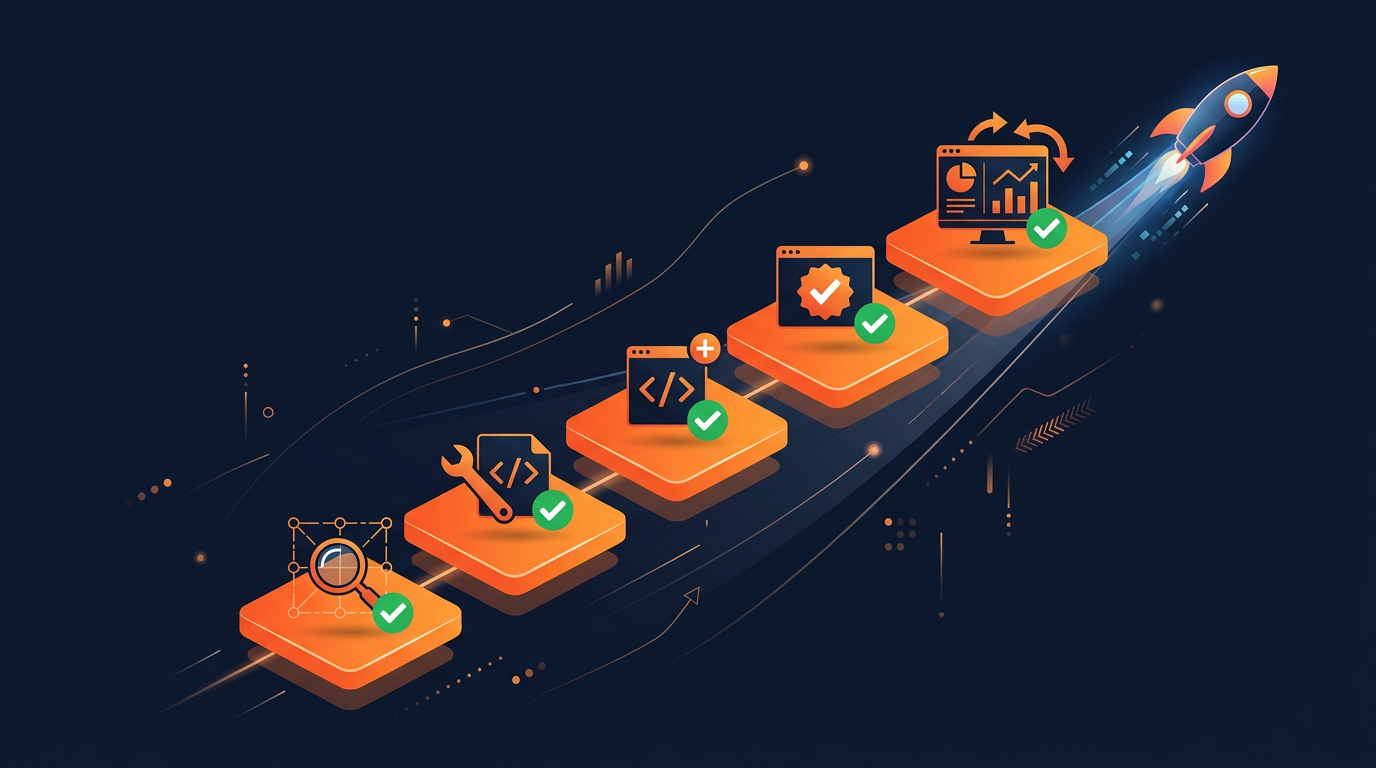
How to Improve Your AI Visibility Score: Step by Step
Now for the most important part: how to actually improve your score. Follow these steps in order. Each step builds on the one before it.
Scan Your Website
Go to AI Crawler Check and enter your URL. The tool will read your robots.txt, check for llms.txt files, and give you a detailed score breakdown. Pay attention to which specific bots are blocked and which AI infrastructure files are missing. This gives you a clear picture of where you stand right now.
Update Your robots.txt (up to +70 points)
Use the Robots.txt Generator to create an optimized robots.txt file. Allow all Tier 1 AI bots for maximum visibility, or use selective blocking if you want to protect your training data while keeping AI search traffic. Read our robots.txt best practices for detailed guidance. Then upload the new file to your website root.
Create Your llms.txt File (+10 points)
Follow our llms.txt guide to create this file. It should include your site name, a brief description, your most important pages, and the topics you cover. Upload it to your website root so it is accessible at yourdomain.com/llms.txt. This alone adds 20 points to your score.
Create Your llms-full.txt File (+5 points)
Create a detailed version of your llms.txt with more comprehensive information. Include full descriptions of your key pages, FAQs, your company story, product details, and any other information that helps AI systems understand your website. Upload it to yourdomain.com/llms-full.txt. This adds 5 more points.
Verify Your Improved Score
Go back to AI Crawler Check and scan your site again. Your score should now be much higher. Check that all the changes you made are reflected correctly. If your score is not as high as expected, use the robot checker to check for errors in your file.
Monitor and Maintain
Check your score at least once a month. New AI crawlers appear regularly, and your robots.txt may need updates. Use the Batch Checker if you manage multiple websites. Set a calendar reminder to review your AI visibility settings every quarter.
AI Visibility Score by Industry
Different industries have different average AI Visibility Scores. Here is what we see across the websites we have scanned:
| Industry | Average Score | Common Issues | Recommendation |
|---|---|---|---|
| Technology / SaaS | 70 to 85 | Missing llms.txt | Add llms.txt for easy +10 points |
| E-commerce | 55 to 70 | Overly strict robots.txt | Allow AI search bots for product visibility |
| News / Media | 35 to 55 | Blocking all AI crawlers | Use selective blocking (allow search, block training) |
| Healthcare | 40 to 60 | Privacy concerns blocking all bots | Allow public health info, block patient portals |
| Education | 50 to 65 | Default robots.txt not updated | Update for AI and add llms.txt |
| Small Business | 25 to 45 | No robots.txt at all or very basic | Create optimized robots.txt with our generator |
No matter what industry you are in, the steps to improve your score are the same. The biggest improvements usually come from two simple changes: updating your robots.txt to allow AI search bots, and creating an llms.txt file. These two changes alone can add 40 to 60 points to most websites' scores.
If you want to see how your website compares, run a free scan at AI Crawler Check. The tool shows your score, a detailed breakdown, and specific recommendations for improvement.
AI Visibility Score vs. Domain Authority vs. Other Metrics
How does the AI Visibility Score compare to other SEO metrics you might already use? Here is a quick comparison:
| Metric | What It Measures | Scale | Used For |
|---|---|---|---|
| AI Visibility Score | AI crawler access + AI infrastructure | 0 to 100 | Measuring AI search readiness |
| Domain Authority (Moz) | Backlink strength and quality | 1 to 100 | Predicting Google ranking potential |
| Domain Rating (Ahrefs) | Backlink profile strength | 0 to 100 | Comparing link profiles between sites |
| PageSpeed Score | Website loading speed | 0 to 100 | Technical SEO performance |
| Core Web Vitals | User experience metrics | Good/Needs Improvement/Poor | Google ranking signal |
The AI Visibility Score is unique because it focuses on something none of the other metrics measure: your accessibility to AI systems. A website can have a perfect Domain Authority of 90 and still have an AI Visibility Score of 0 if it blocks all AI crawlers. In 2026, you need to track both traditional SEO metrics and your AI Visibility Score to get the full picture of your online presence.
Think of it this way: Domain Authority tells you how strong you are in Google search. The AI Visibility Score tells you how strong you are in AI search. Both matter, and both contribute to your total traffic.
Industry Benchmarks: What Scores Are Normal?
You might wonder how your score compares to other websites in your industry. We scanned thousands of websites across different industries and found some interesting patterns. The results show a big gap between early adopters and everyone else.
In the technology and SaaS industry, the average AI Visibility Score is about 42 out of 100. These companies tend to be more aware of AI trends and have already started updating their robots.txt files. Many tech companies allow at least some AI crawlers because they understand the value of being referenced in AI search results. Some of the top-performing tech sites score above 80 because they have both optimized robots.txt rules and well-structured llms.txt files.
E-commerce websites have a much lower average of about 18 out of 100. Most online stores still use default robots.txt files that were written years ago, before AI crawlers existed. These sites are missing out on a growing source of product discovery traffic. When a user asks an AI assistant to recommend products, the AI can only recommend products from websites it has been able to crawl and learn about.
News and media websites show the biggest spread. Some major publications score 75 or higher because they actively manage their AI crawler policies. Others score near 0 because they block all AI crawlers to protect their content from being used without payment. This is a valid business decision, but it means those publications will not appear in AI-generated answers.
Small business websites and local service providers have the lowest average scores at about 8 out of 100. Most of these sites do not even have a custom robots.txt file. The good news is that these sites also have the most to gain. Going from a score of 8 to a score of 65 is possible in less than 30 minutes by using the Robots.txt Generator and creating a basic llms.txt file.
Healthcare, legal, and financial websites tend to be very cautious. Their average score is about 12 out of 100. These industries have strict compliance requirements and are often hesitant to allow AI crawlers. However, even in these industries, allowing AI search bots (while blocking training bots) can drive significant new traffic without exposing sensitive content.
The key takeaway from these benchmarks is that most industries are still in the early stages of AI visibility optimization. If you take action now, you can get ahead of your competitors before they even realize this metric matters. The websites that score well today are the ones that will dominate AI search results tomorrow.
Summary and Action Plan
The AI Visibility Score is a simple but powerful way to measure how AI-ready your website is. Whether you run a small business blog or a large e-commerce store, this metric gives you a clear picture of your AI search readiness. The sooner you start optimizing, the bigger your advantage will be over competitors who have not started yet.
Here are the key points from this guide:
The AI Visibility Score (0 to 100) measures your website's accessibility to AI systems
Bot Access (70 points) checks if AI crawlers can reach your site through robots.txt
AI Infrastructure (15 points) checks for llms.txt (10 pts) and llms-full.txt (5 pts)
AI search traffic is growing 400%+ year over year, making this score increasingly important
Most websites score poorly because of misconfigured robots.txt and missing llms.txt files
Improving your score usually takes less than 30 minutes with the right tools
The score does not directly affect Google rankings, but it does affect total traffic from AI sources
Check your score monthly and review your settings quarterly for the best results
Your next steps should be:
Scan your website to get your current AI Visibility Score
Use the Robots.txt Generator to create an optimized robots.txt file
Create an llms.txt file for an easy 20-point boost
Read our guides on blocking AI crawlers and Google-Extended vs Googlebot
Get Your AI Visibility Score Now
Free instant scan. Check 196+ bots and get your score in seconds.