
Strategy beats tactics. Before you touch a single robots.txt line, you need a clear policy and plan for how AI should interact with your website.
In this guide you will explore licensing instead of blocking. We will keep it practical, with clear steps, visual breakdowns, and specific actions you can take today. The first step in any AI visibility project is to run a free AI crawler check on your website so you know exactly where you stand against the 196 bots we track across 8 categories.
Key Takeaways
- Content Licensing vs Blocking AI: Monetization Options is a practical, repeatable process, not a one-time fix.
- Most AI visibility problems trace back to access, not content.
- You can verify every change with the free AI crawler check and the robots.txt check.
- Document your approach so the whole team applies it consistently.
Turning a Policy Decision Into a Live Configuration
The hard part is not editing the file, it is deciding what the policy should be and then making the file match it exactly.
Write the policy in plain language first
State in one paragraph what you want to permit, what you want to prevent, and why. A policy that cannot be stated plainly cannot be implemented correctly, and this document is what makes the file reviewable later.
Map each intention to a specific user agent
Translate the policy into named crawlers, distinguishing training collectors from retrieval agents. This is the step where a well-intentioned policy usually turns into the wrong file, because the two categories are easy to conflate.
Record the current state before changing it
Run an AI bot access checker and save the result. Without a baseline you cannot demonstrate the change worked, and you cannot roll back with confidence.
Generate the file rather than editing it
Use a robots.txt generator so the syntax is correct and the block structure is explicit. Hand-edited files accumulate contradictory rules that are individually plausible and collectively wrong.
Validate, publish, then set an owner and a date
Check it with a robots txt validator, publish, and assign a named owner with a review interval. An unowned policy is indistinguishable from no policy within a year.
How Content Licensing Is Usually Misframed
Licensing is presented as the mature third option between blocking and giving content away, and for a small number of publishers it genuinely is. The deals that get reported involve archives measured in millions of documents, an identifiable rights holder, and a legal team able to negotiate a bespoke contract. Those preconditions describe a very narrow set of sites, and most discussion of licensing quietly assumes the reader meets them.
For everyone else the useful question is not how to license but what blocking is actually for. A block is not primarily a technical protection, since it depends on voluntary compliance. It is a stated position: a record that access was never granted. That record is worth having whether or not a negotiation ever happens, and it is the only part of the licensing conversation available to a site without an archive to sell.
Four Ways to Think About Content Licensing
What is actually being sold is scale, cleanliness and clear title
Value in a content deal comes from volume large enough to matter to a training run, consistent structure that makes it cheap to ingest, and unambiguous ownership so the buyer inherits no risk. A few hundred well-written articles fail the first test regardless of quality. Understanding this stops the fruitless approach of contacting a model provider about a small site, and points instead toward collective licensing bodies where scale is pooled.
Exclusivity is where the real negotiation happens
The headline number in a licensing deal is rarely the important term. Whether the grant is exclusive, whether it covers future models, whether it permits verbatim reproduction or only training, and how termination works all matter more over time. An agreement that is non-exclusive and time-limited leaves you able to sign again. One that grants perpetual rights across all future systems has sold the asset once, at the price of a single year.
Blocking preserves the bargaining position that licensing needs
Content already ingested has no scarcity value, so the practical sequence is to restrict first and negotiate after. This is the one respect in which blocking and licensing are complements rather than alternatives. A site that opened everything and then approached a buyer has nothing left to sell, and no way to demonstrate that access was ever conditional.
A public licensing statement does work even with no deal
A short page setting out the terms on which commercial reuse is permitted, plus a contact route, costs almost nothing and changes the default. It converts silence into a stated position, gives a compliance team something to point at, and occasionally produces an inbound enquiry. It also makes the robots.txt rules legible as policy rather than as an accident of configuration.
The Failure Mode to Watch For in Content Licensing
Waiting for a licensing deal instead of setting a policy
A common pattern is a site that has decided licensing is the answer, is waiting to be approached, and in the meantime has left everything open because blocking felt like closing a door on the negotiation. The result is the worst of both: the content is ingested, so its scarcity value is gone, and no agreement was ever reached because nobody was approached. The order is the whole lesson here, and it runs restrict, publish terms, then negotiate.
How to Tell If Your Licensing Holds Up
The check that matters here: Ask whether you could state, in one sentence and with a date, the terms on which your content may be reused commercially. If not, the licensing question is premature and the policy question is overdue.
Where to Go From Here
Licensing is one piece of a larger picture. The AI bot directory documents every crawler we track with its operator, purpose and safety rating, and the multi-URL checker audits many sites in one pass if you manage a portfolio.
Turn the guidance above into a concrete change, then confirm it worked. An AI bot access checker shows you exactly which of the 196 bots can reach your content today.
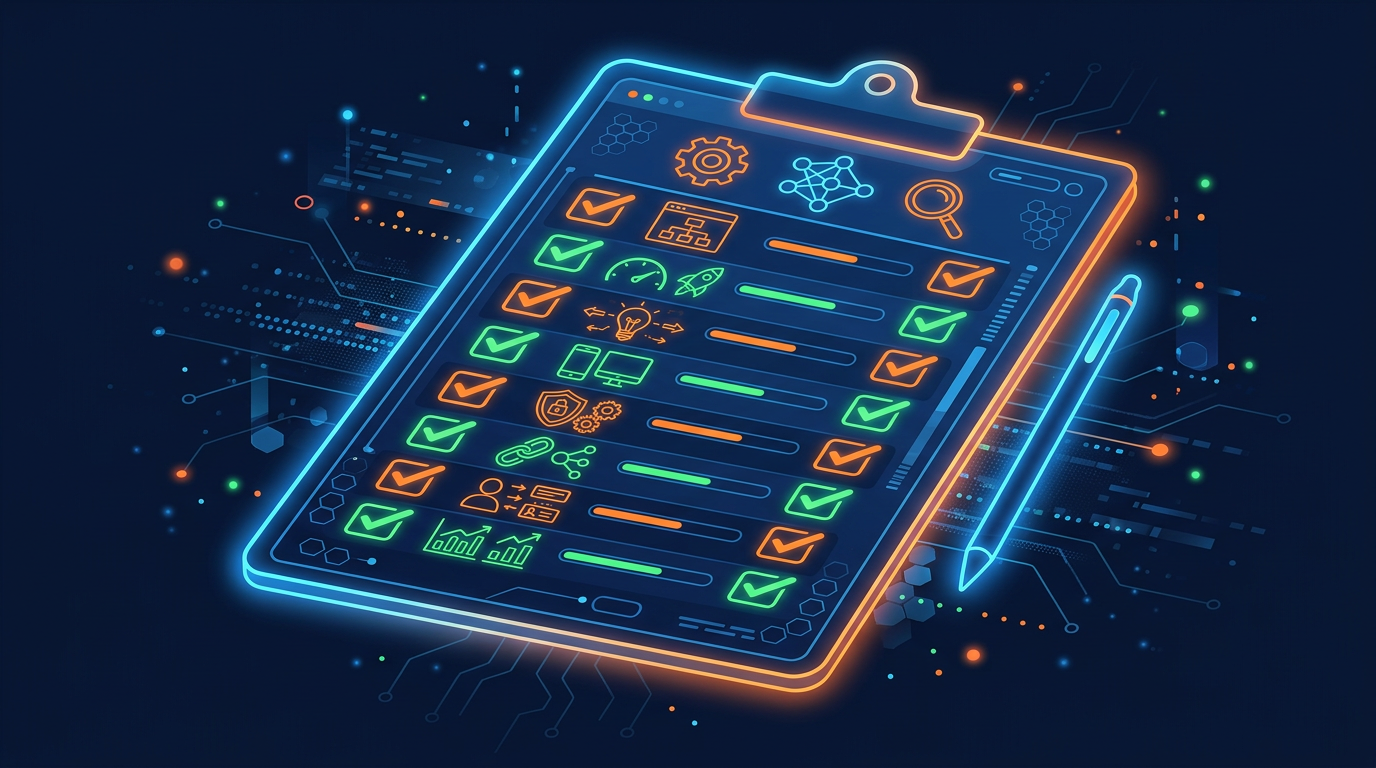
Your Licensing Action Checklist
Five concrete steps, specific to what this guide covered. Work through them in order, changing one thing at a time so you can tell which change produced the result.
- □Establish a baseline with an AI crawl checker and write down the score before you change anything.
- □Apply the single highest-impact change from this guide, on its own, so you can attribute the result.
- □Validate the change with the robots checker before it reaches production.
- □Re-measure and compare against your baseline rather than against expectation.
- □Schedule a recurring re-check, because redesigns and security updates quietly undo this work.